Straight-Line Geometric Pools

Architecture in Water

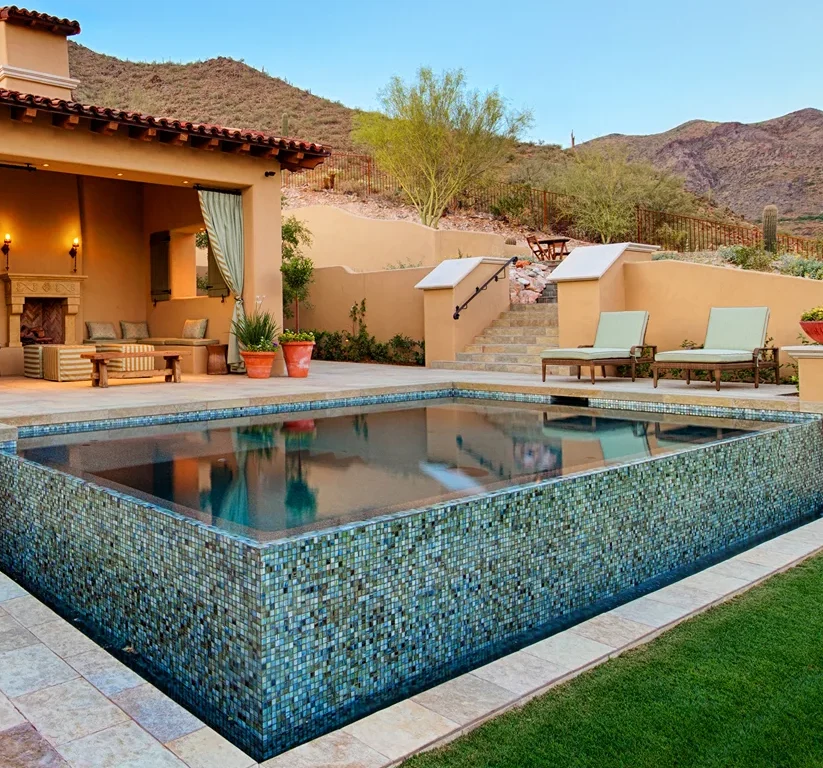
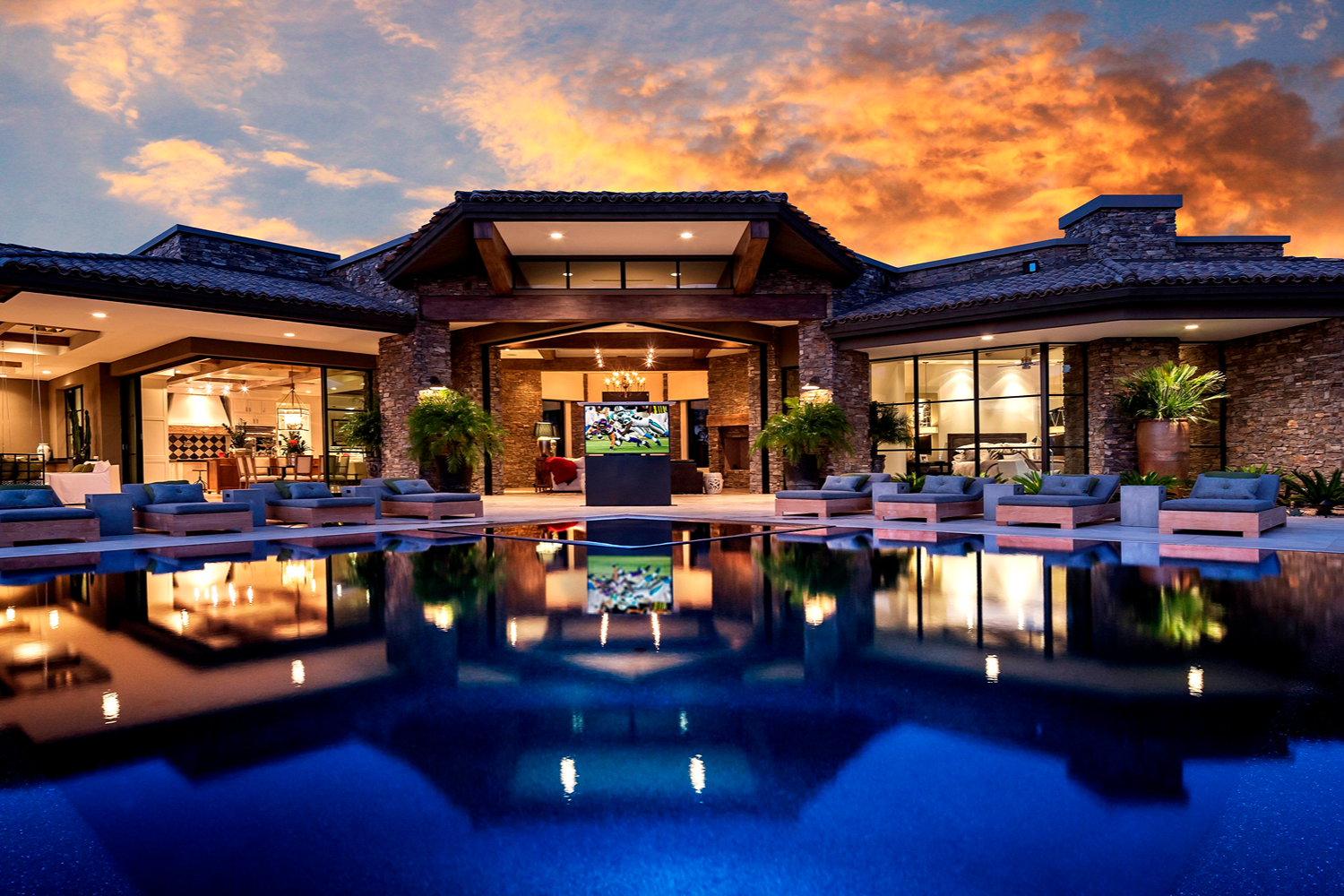
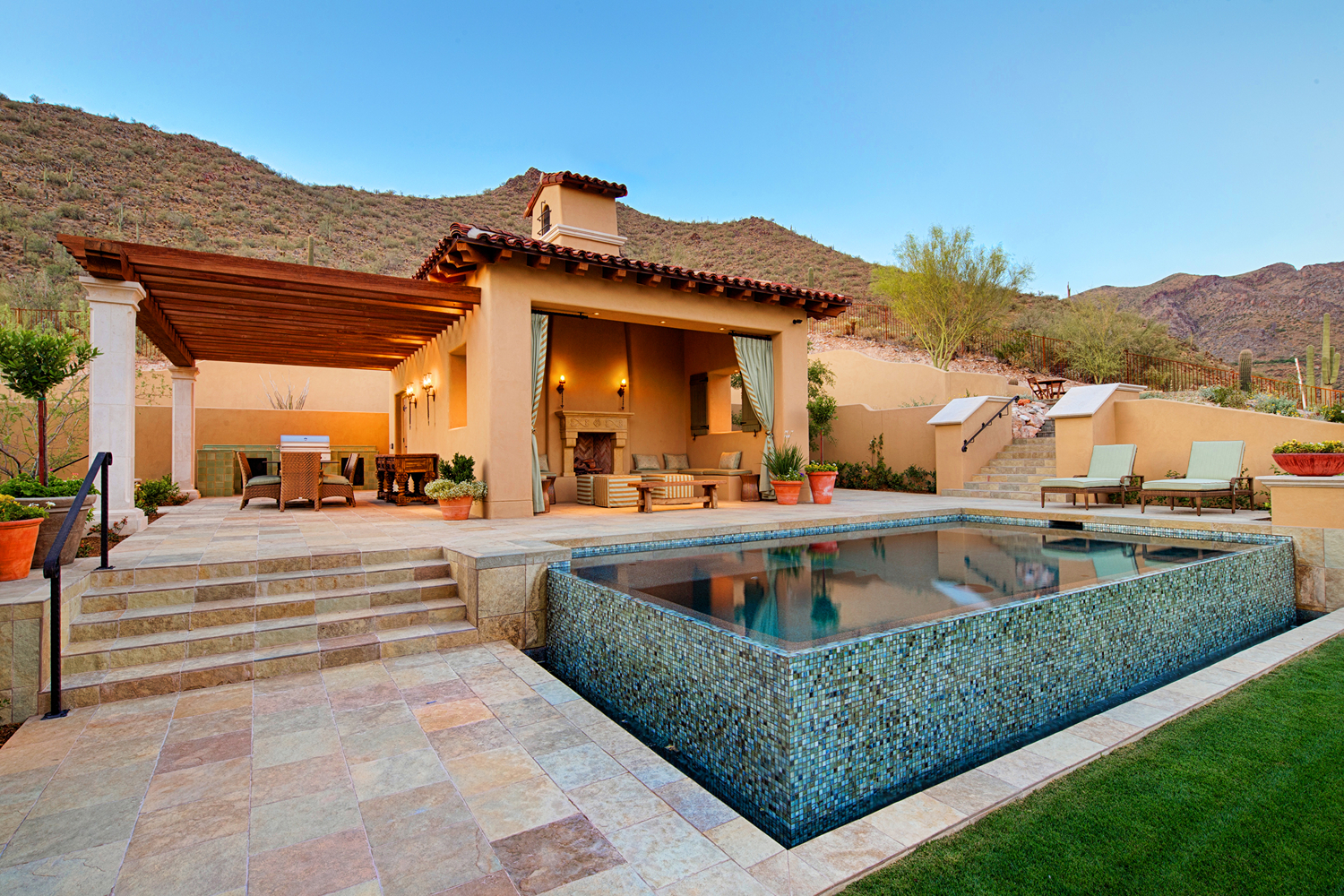
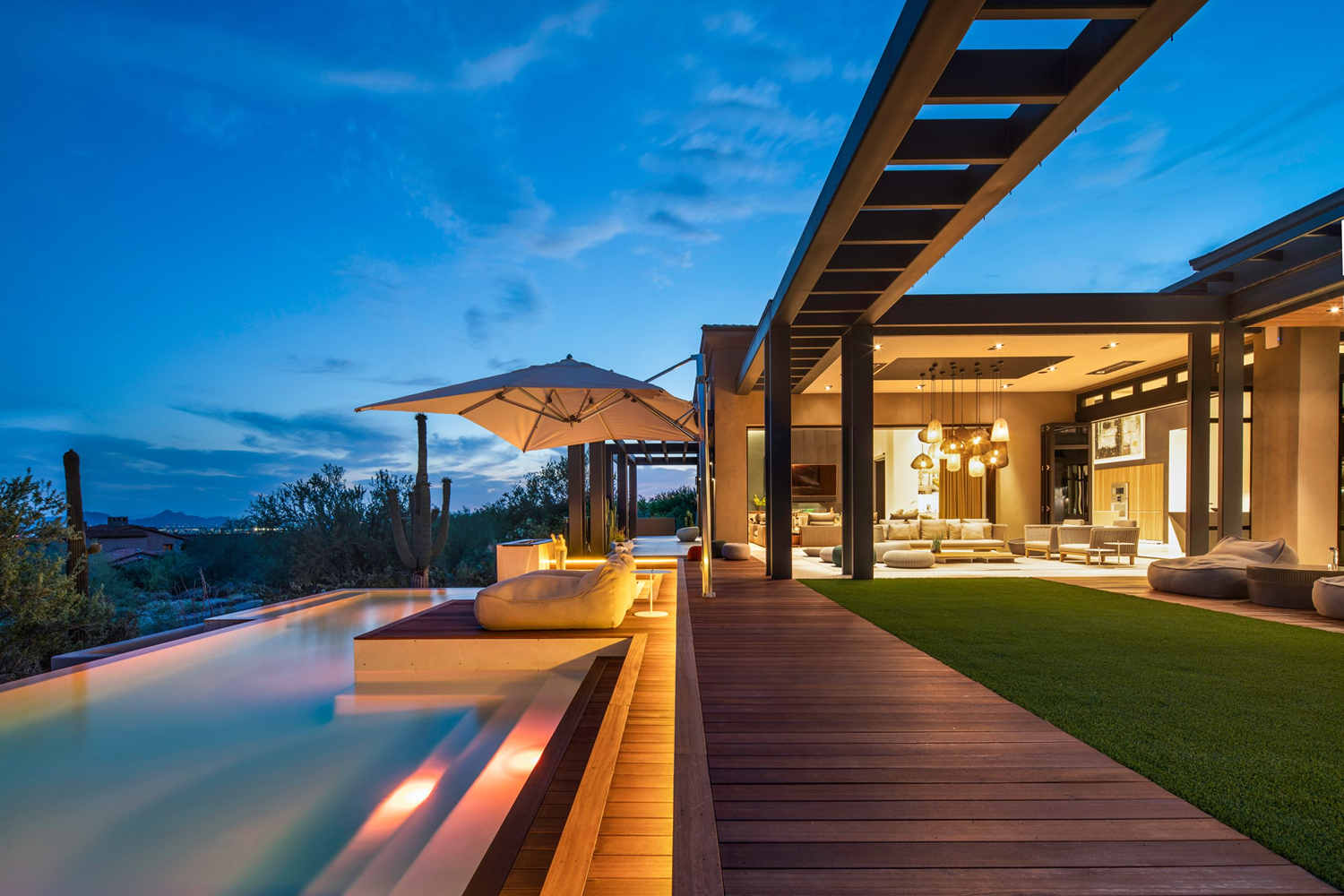
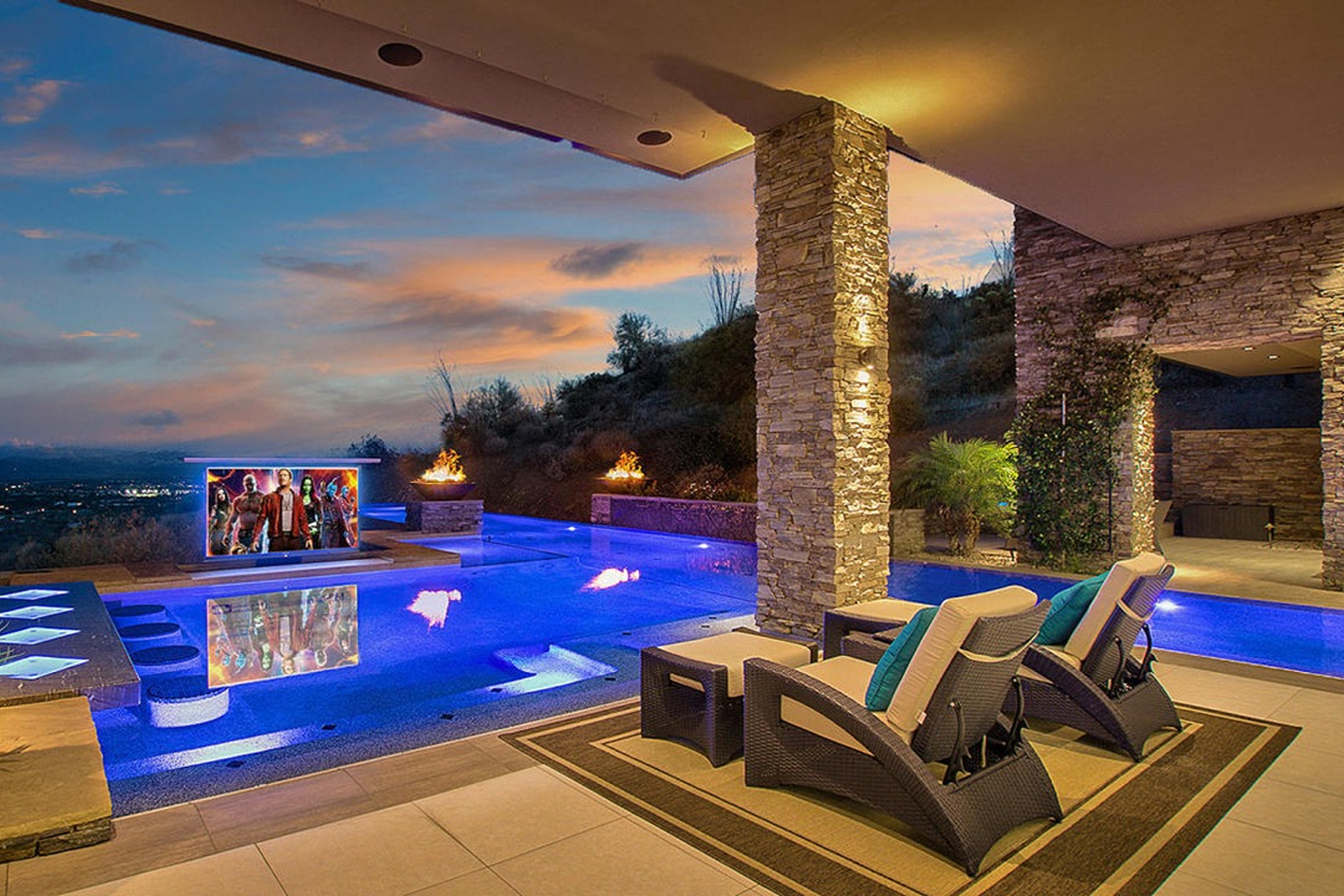
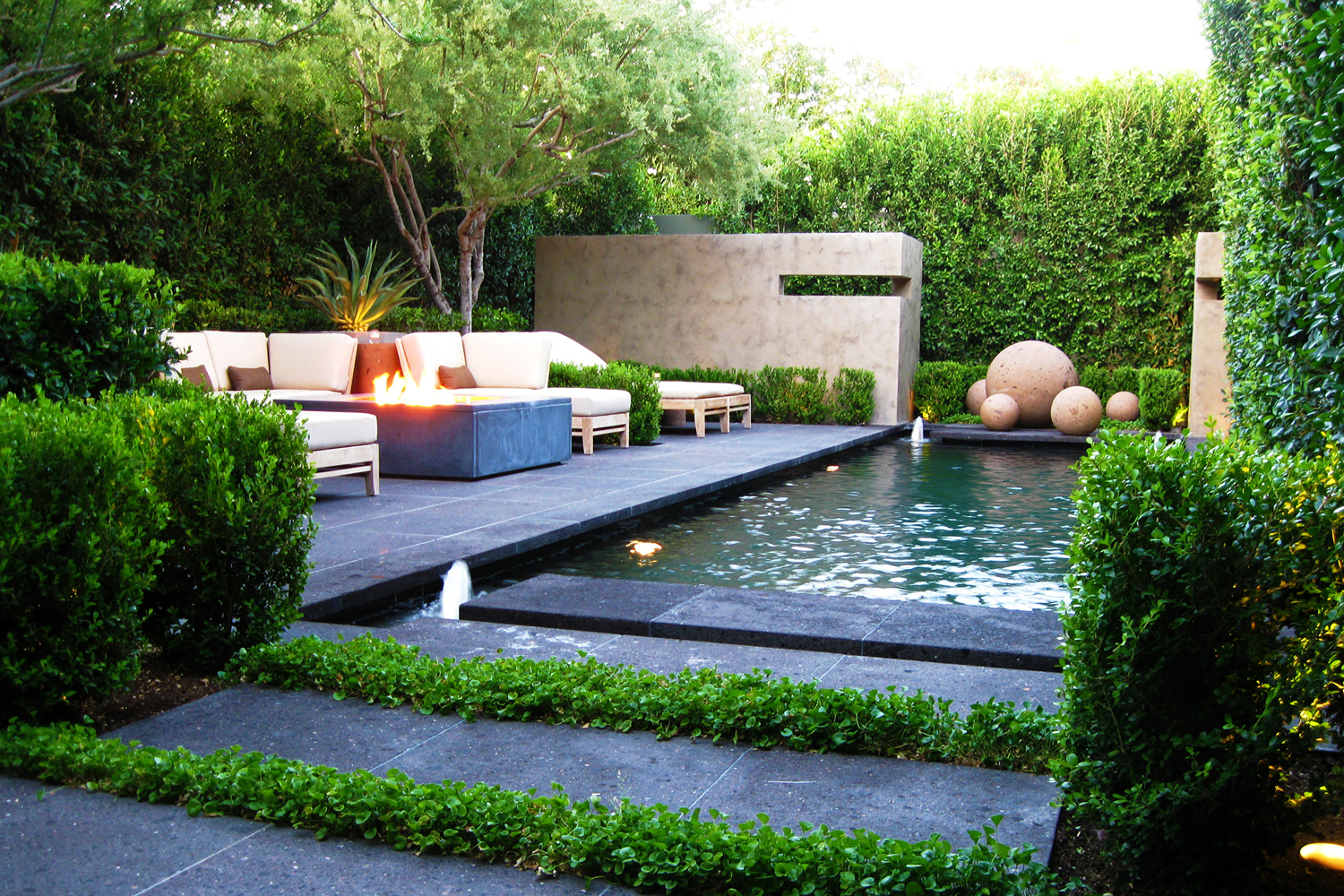
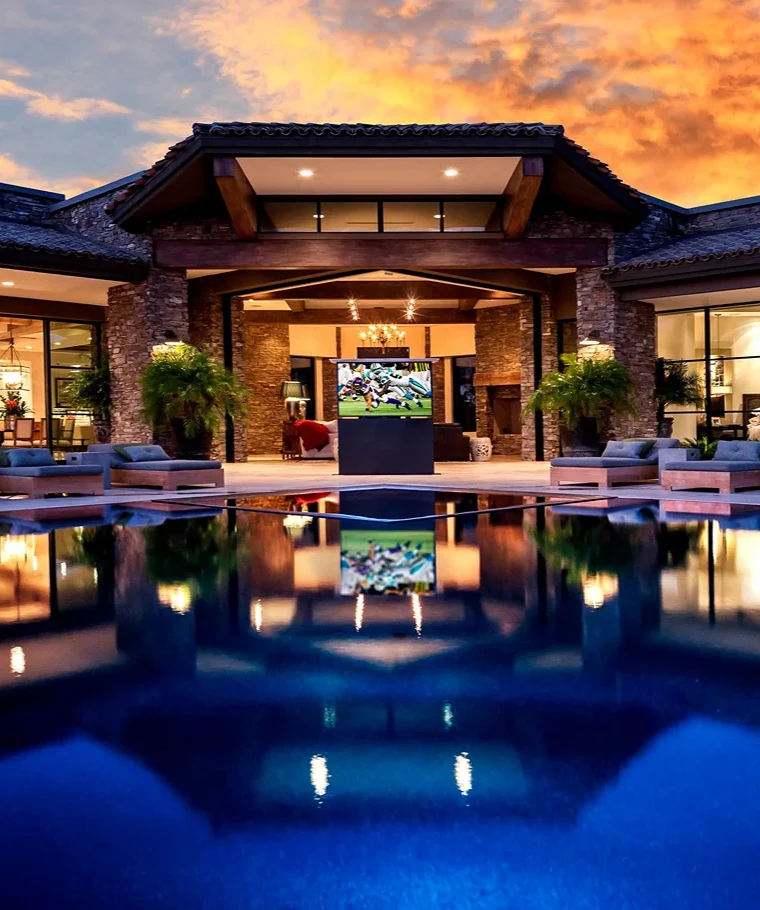
If infinity pools are about landscape integration and freeform pools are about natural experience, geometric pools are about architectural statement. Clean lines, precise shapes, and integration with your home’s architectural language.

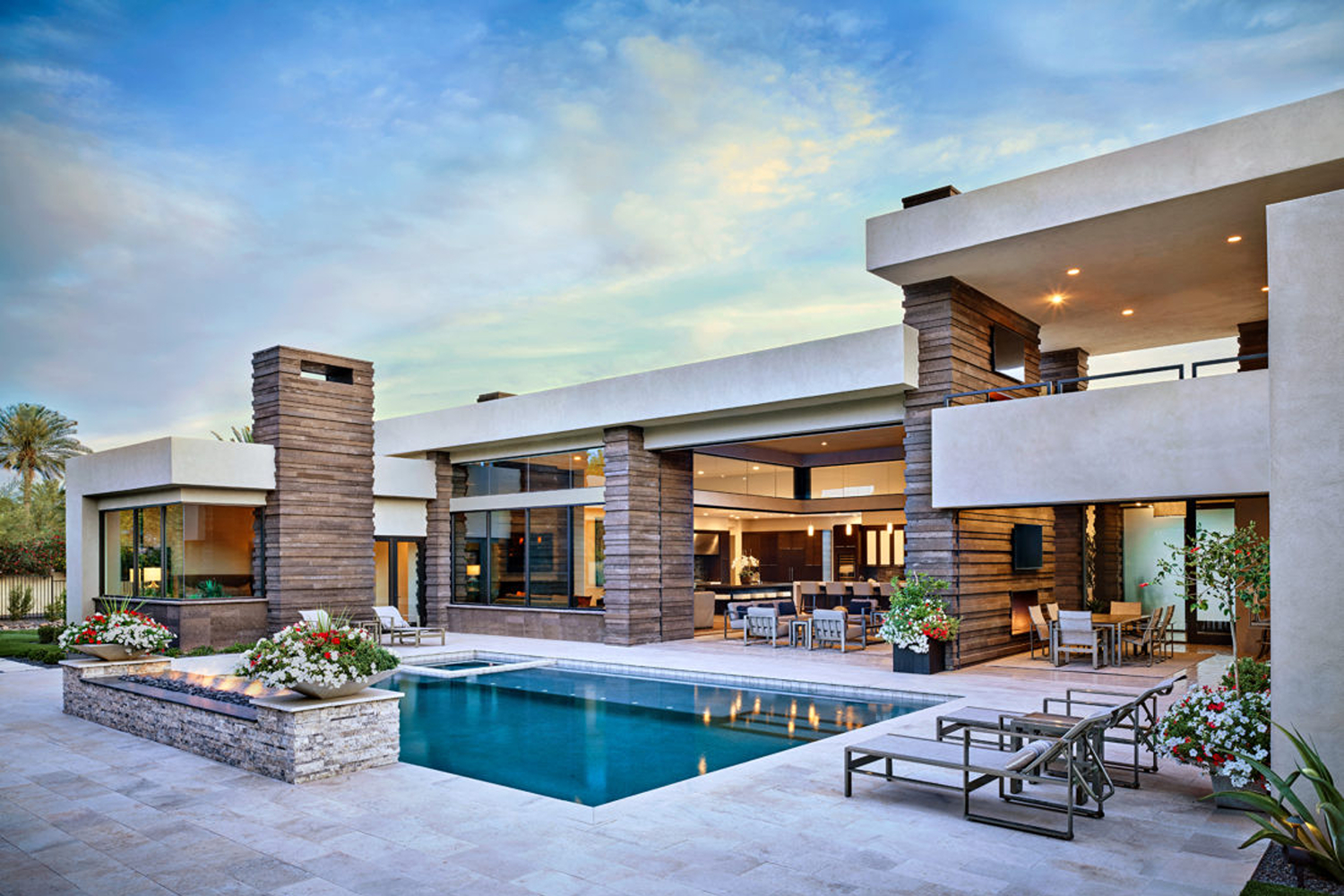
A well-designed geometric pool doesn’t just sit in your yard—it echoes your home’s geometry. It might mirror the roofline’s angles, match the architectural rhythm of windows and columns, or create visual continuity from interior living spaces to outdoor pool area. The pool becomes part of your home’s architectural narrative rather than a separate feature.

Mossman Brothers Pools has designed dozens of geometric pools, particularly for contemporary and mid-century modern homes. These precise, architectural pools demand design skill—proportions matter, sightlines matter, how the pool relates to the home matters. Get those right, and you have a stunning space. Get them wrong, and the pool looks awkward.

That’s why we don’t use templates for geometric designs. Each one is custom-developed to your specific home and property.
Design Principles of Geometric Pools

Geometric pools typically feature:

Precise Shapes

Rectangles, squares, circles, or combinations of shapes with exact angles and proportions. These shapes must be calculated for your specific space and home.

Clean Edges

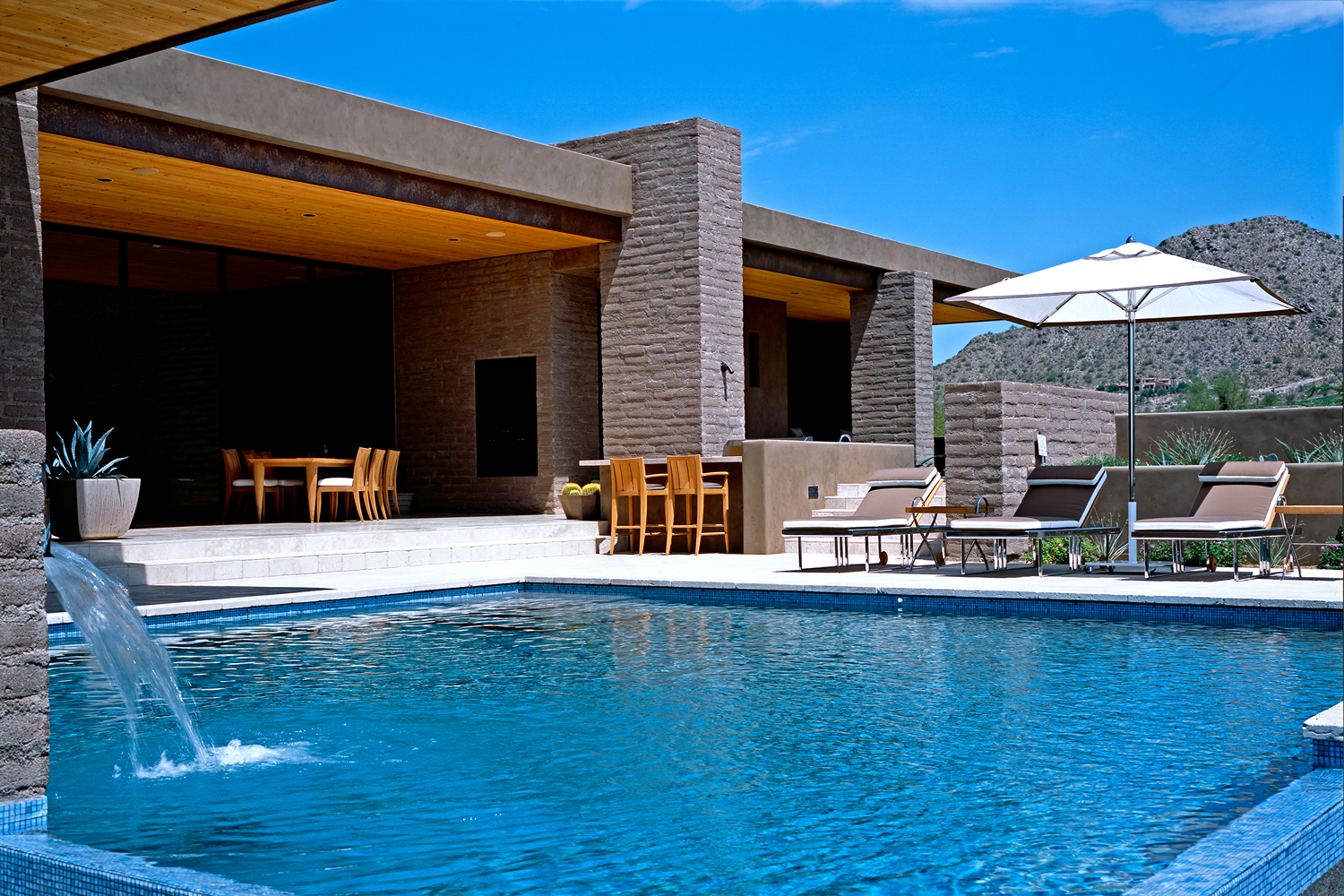
Crisp lines between pool and deck, with finishing materials that emphasize the geometric lines. Pavers, coping, or deck materials should align perfectly with pool edges.

Architectural Integration

The pool’s dimensions, proportions, and positioning should relate to your home’s architecture. If your home has strong horizontal lines, the pool might echo those. If it has vertical emphasis, the pool’s dimensions might reflect that.

Minimal Decoration

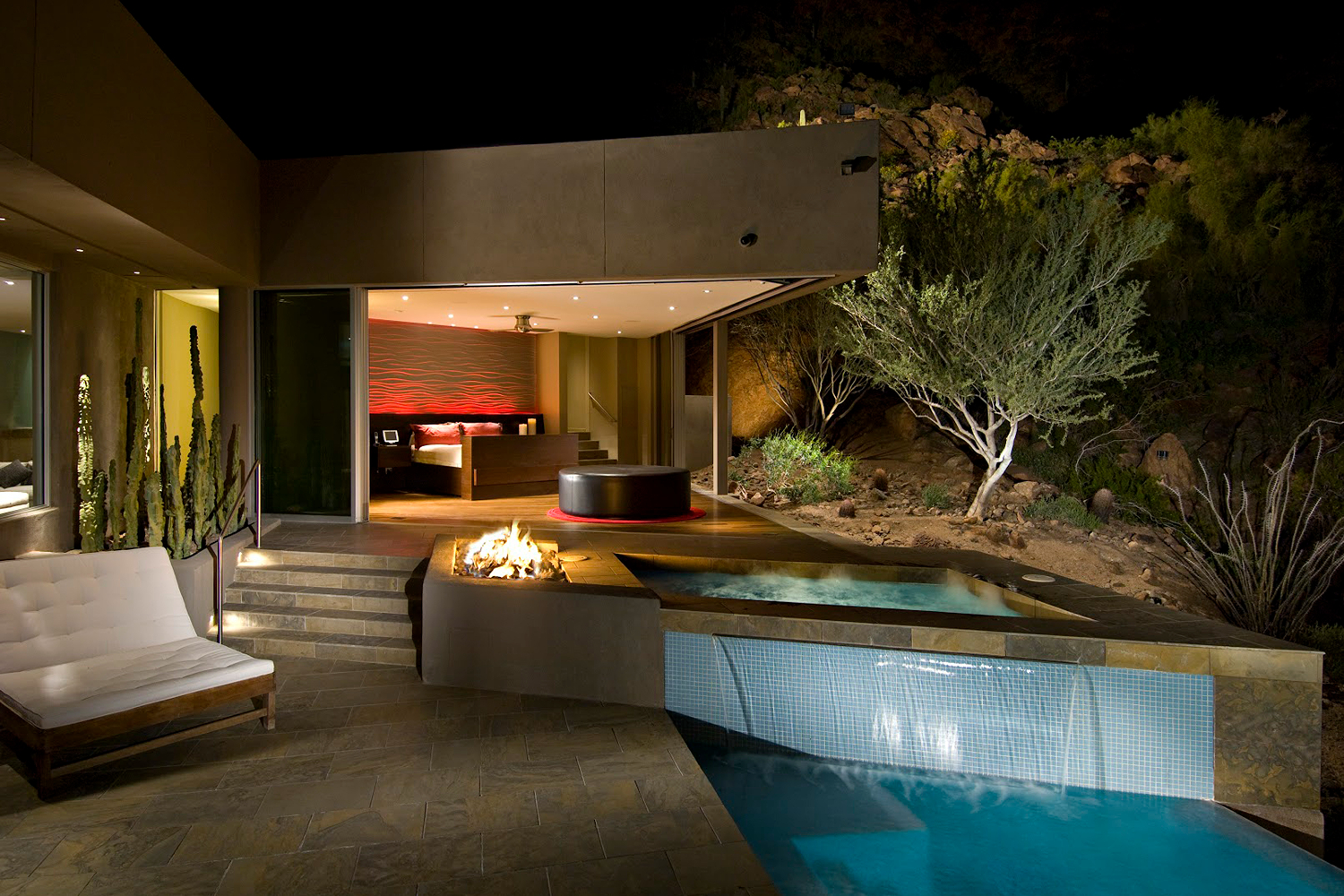
Geometric pools tend to feature fewer water features and decorative elements than freeform pools. The geometry itself is the statement. Any features should enhance the geometry rather than distract from it.

Precise Depth Gradation

While freeform pools might feature varied depths for experience, geometric pools often use consistent depth or clean transitions. The depth design should be visible in how the pool functions.s, natural spillways, bubblers, or fountains. Water features add visual interest, sound, and a sense of nature.

Landscape Minimalism

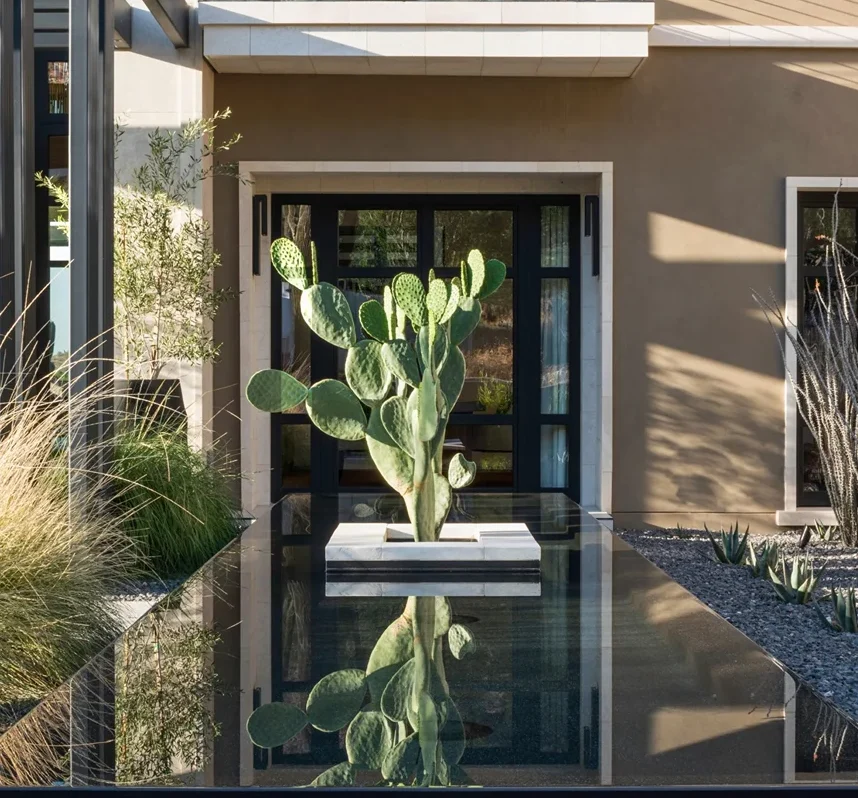
Rather than surrounding the pool with extensive landscaping, geometric designs often feature minimal planting. The focus is on the pool architecture rather than landscape integration.

Why Geometric Pools Are Harder to Design

Simple geometric shapes are deceptively difficult to design well:

🌊 Proportion Matters Enormously

A rectangle that’s perfectly proportioned looks stunning. One that’s slightly off looks awkward. The ratio of length to width affects how the pool looks and how it functions.

✨ Sightlines Are Critical

How the pool is positioned relative to your home, deck, and surrounding space dramatically affects how it looks. A pool that’s perfectly positioned looks like an obvious extension of the home. One that’s off looks like it was placed randomly.

🏊 Integration with Home Architecture

If your home has specific architectural features (columns, windows, rooflines), the pool design should relate to those intentionally. If a window is 20 feet wide, maybe the pool is designed to align with that. If columns create a rhythm, maybe the pool’s divisions echo it.

💎 Minimalism Execution

A minimalist design is harder to execute than a detailed one. With freeform pools, complexity can hide proportion issues. With geometric pools, everything is visible.

🧱 Material Choices

Deck and coping materials matter more in geometric designs. The finish materials need to emphasize the geometric lines cleanly.
This is why working with a designer who understands geometric proportion is valuable. Jeff Mossman has designed dozens of geometric pools and understands these proportional relationships intuitively.

Geometric Pool Variations

Jeff develops custom geometric designs based on your home and preferences:

Rectangular Pools

The most common geometric form. Proportions vary—long and narrow, close to square, very elongated. Rectangular pools work with almost any architectural style.

Square Pools

Visually striking geometric statement. Square pools work particularly well with contemporary and modernist architecture. Proportions are locked by definition (all sides equal).

L-Shaped Pools

Two rectangular sections forming an L. These work beautifully on corner lots or when you want to define separate yard areas (lounging area, swimming area, entertaining area).

Curved Geometric Pools

Perfectly circular or semi-circular shapes. These are less common but create distinctive architectural statements, particularly for homes with curved architectural elements.

Multi-Section Pools

Two or more distinct sections (connected or separate) designed as one cohesive geometric composition. This might include a main pool and a spa section, or two distinct swimming zones.

Infinity Geometric

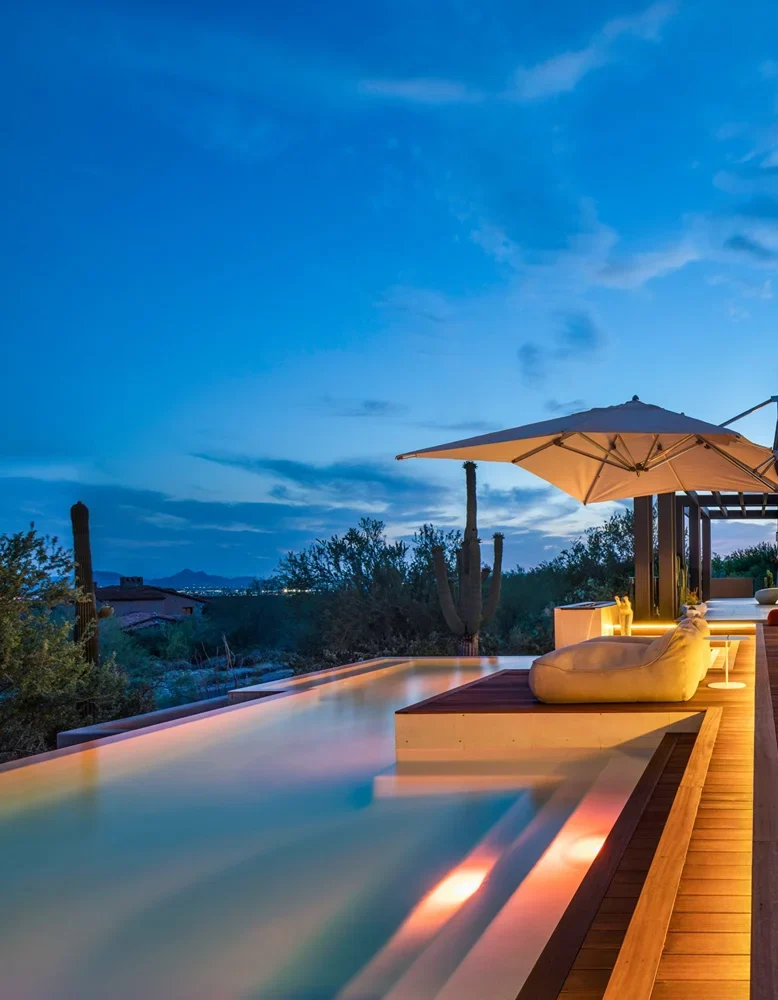
A geometric pool with a negative-edge infinity design. Clean lines combined with the disappearing-edge visual effect.

Geometric Pools and Architectural Styles

Different architectural styles suggest different geometric approaches:

Contemporary/Modern

Clean rectangles, minimal decoration, strong geometric statement. Often paired with minimal landscaping and modern materials (concrete, tile, stainless steel).

Mid-Century Modern

Often rectangular with refined proportions. Materials might include pavers, natural stone, or decorative tile that echoes 1960s-70s design sensibilities.

Transitional

A modern pool design that incorporates some traditional elements (stone, softer materials) creating a bridge between contemporary and classic architecture.

Minimalist Modern

Ultra-clean geometric statement, often incorporating water features that are geometric themselves (spillways, water walls).

Contemporary Mediterranean

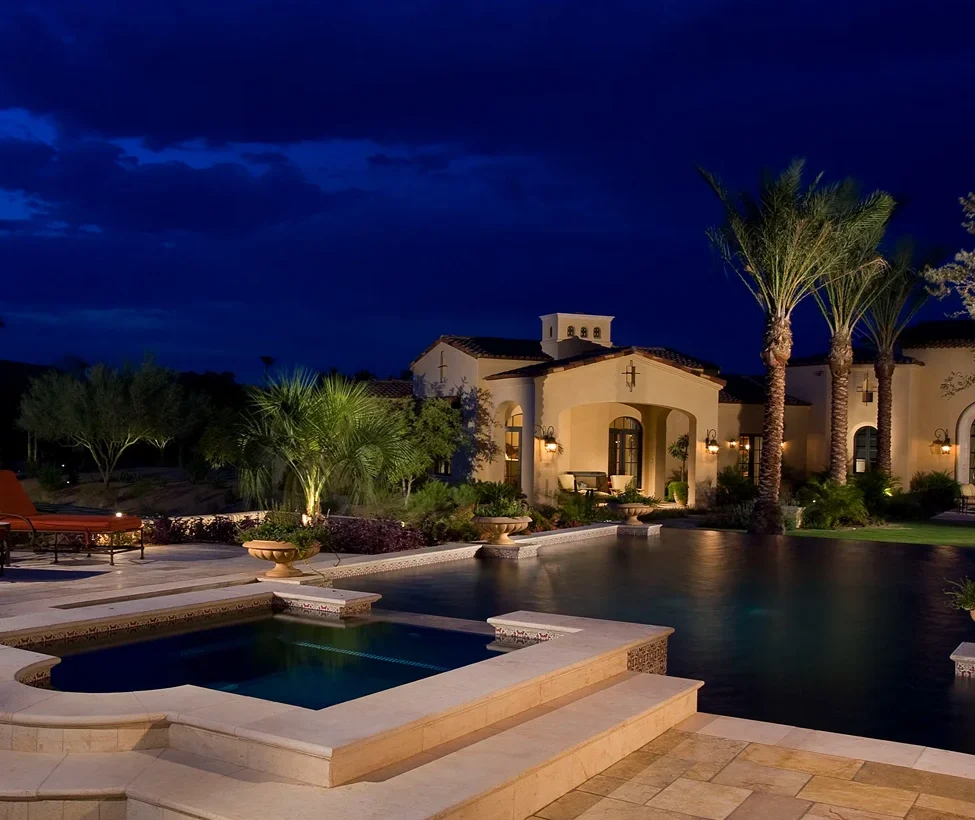
Geometric pools in Tuscan or Mediterranean homes, designed with less minimalism than pure contemporary—might include more stone, architectural details, or water features while maintaining geometric clarity.

Geometric Pool Costs

Geometric pools in Scottsdale typically range from $80,000 to $250,000+, depending on:

Size

Larger pools cost more (more concrete, materials, circulation capacity)

Shape complexity

Simple rectangles cost less; curved geometrics or multi-section designs cost more

Material finishes

Specialty deck materials or coping options add cost

Features

Water features, lighting, automation add cost

Landscape design

Minimal landscapes cost less than extensive hardscape/planting

A mid-range geometric pool (2,500-3,500 sq ft, clean rectangle design, basic features) typically costs $100,000-$150,000. Premium geometric designs with specialty materials or features can exceed $250,000.

Geometric pools are generally slightly less expensive than equivalent-sized freeform or infinity pools because they require less excavation complexity and stone/feature work.
Geometric Pool Maintenance

Geometric pools have straightforward maintenance:

Clean Access

The clean lines and minimal landscaping mean easier skimming, brushing, and maintenance access. Less debris typically falls into geometric pools because there’s less surrounding landscape to create debris.

Circulation

The regular shape typically means even water circulation. Proper pump placement ensures all areas receive adequate water movement.

Equipment Placement

Equipment pads are often visible in geometric designs, so they’re typically located carefully (often behind the home or in a separate area) to minimize visual

Material Maintenance

Deck and coping materials should be easy to maintain (no staining, regular pressure washing keeps them clean).
Professional maintenance for geometric pools is straightforward—most maintenance professionals can handle them without complexity. Monthly or bi-weekly professional service is typical.

The Geometric Philosophy

Geometric pools reflect a design philosophy that values:
If those values resonate with you—if you appreciate modernist design and want your pool to be a clear architectural statement—a geometric pool is worth exploring.

Is a Geometric Pool Right for Your Property?

Geometric pools work best when:
During your design consultation, Jeff will evaluate whether a geometric approach makes sense for your home or if another style might work better.

Frequently Asked Questions

Typical range is $80,000-$250,000+ depending on size, shape complexity, and features. Geometric pools are generally slightly less expensive than equivalent freeform or infinity pools.
While geometric pools are most common with contemporary architecture, they can work with traditional homes if designed thoughtfully. A transitional geometric design can bridge styles.
Absolutely. A spa can be designed as an integrated geometric element (square or rectangular attached spa) that enhances the overall composition.
Geometric pools feature precise shapes (rectangles, squares, circles) designed as architectural statements. They integrate with home architecture rather than landscape, use clean lines, and emphasize proportion and design precision.
Typically 8-12 weeks like other custom pools. Geometric designs don’t require special construction complexity, so timeline is similar to other styles.
Yes, but minimally—to enhance the geometry rather than distract. Water features in geometric designs might be architectural (water walls, geometric spillways) rather than natural-looking.
Maintenance is similar to other pools. The clean design and minimal landscaping sometimes mean easier access for maintenance tasks.
Modern materials (concrete, stainless steel, glass tile) work well, as do natural stone finishes that maintain clean lines. Material selection should emphasize the geometric design.