Wet-Edge Perimeter Overflow Pools

The Ultimate Water Feature

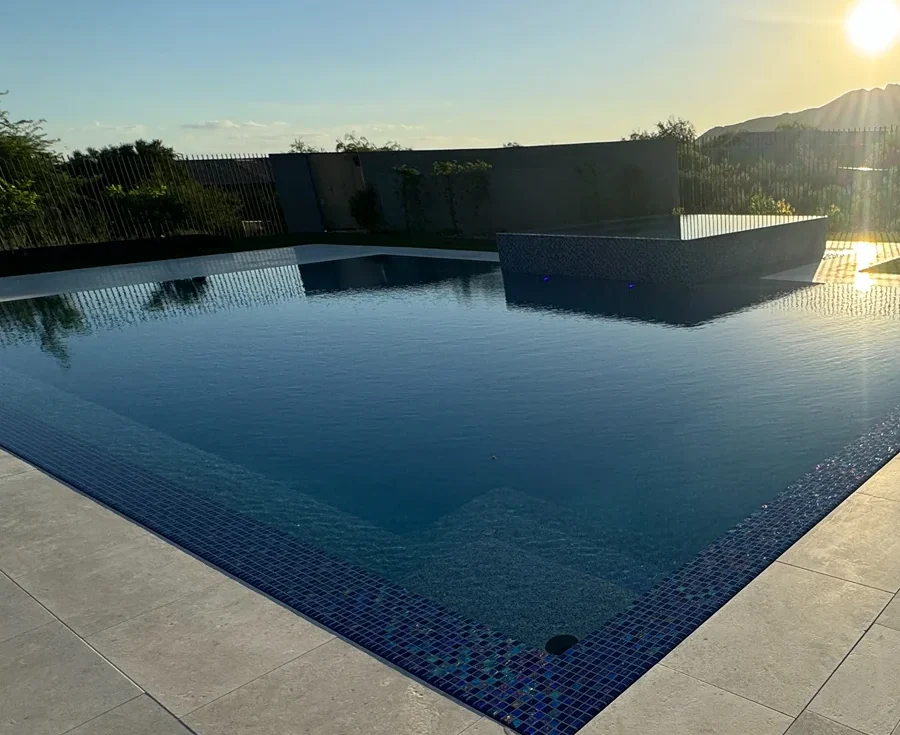
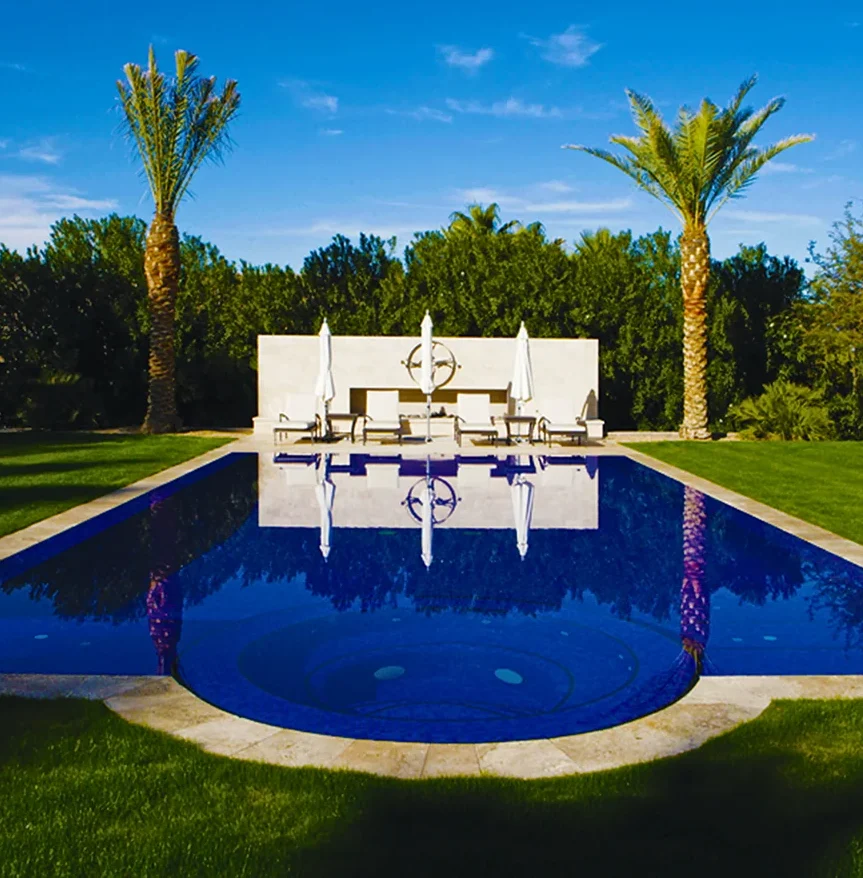
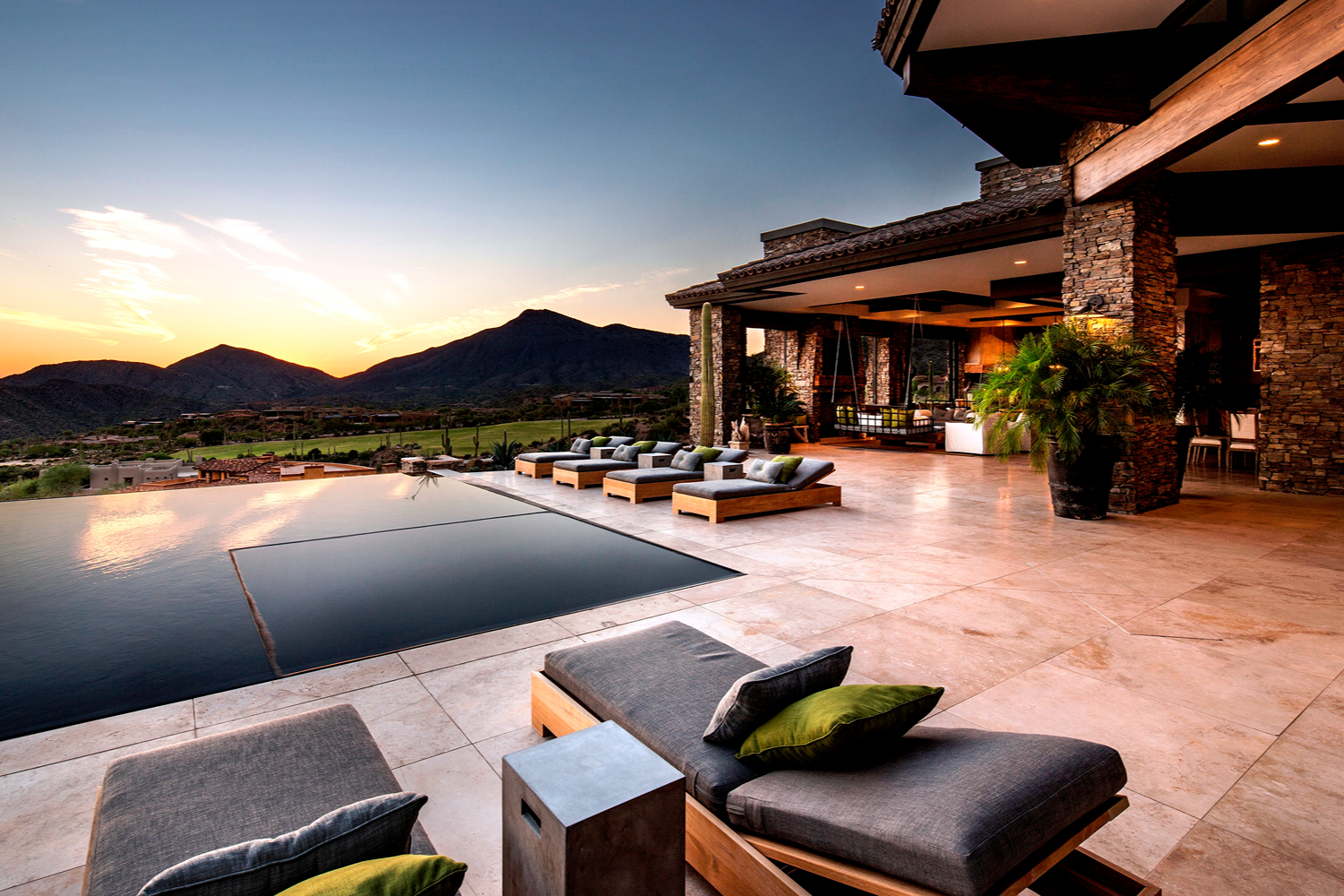
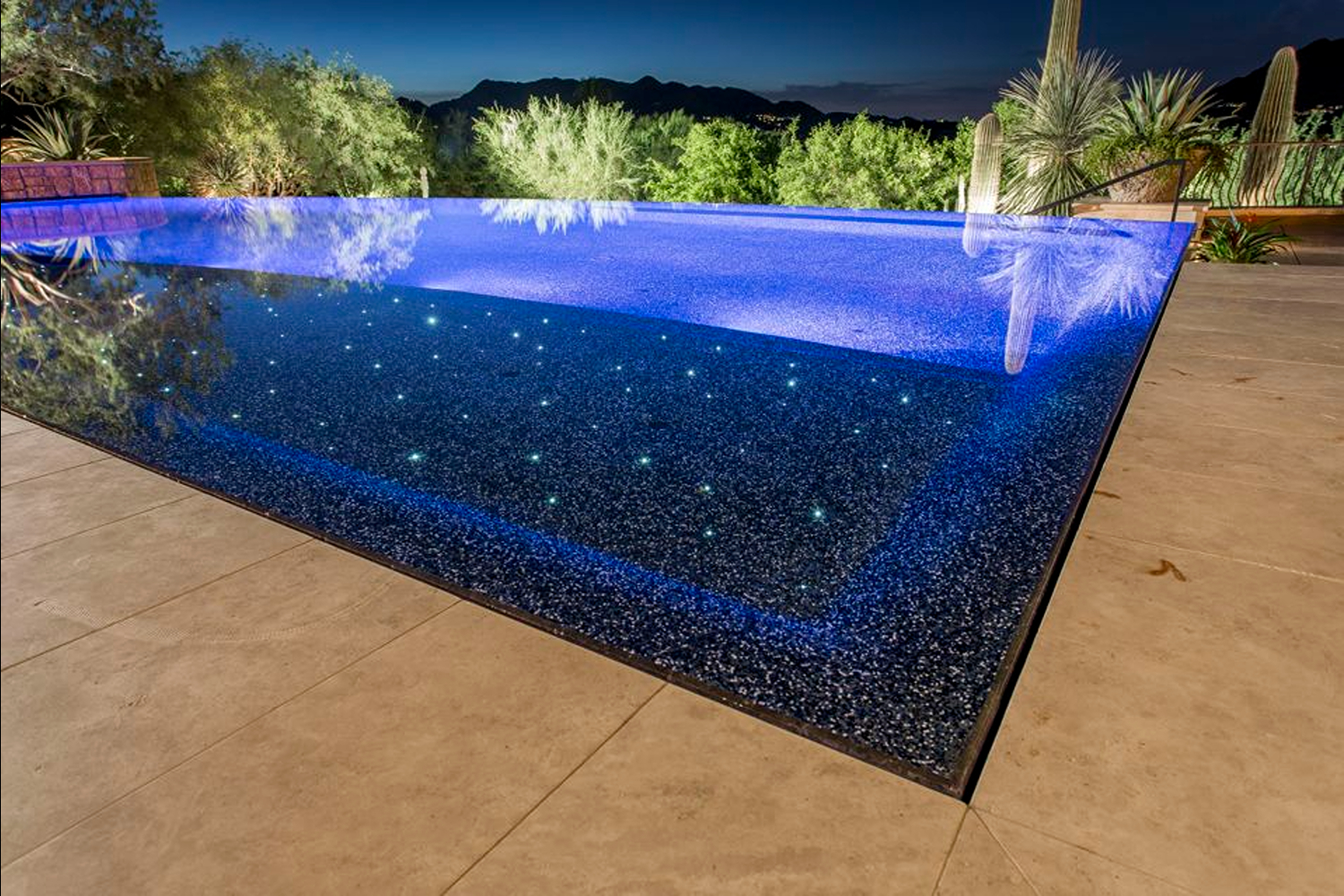
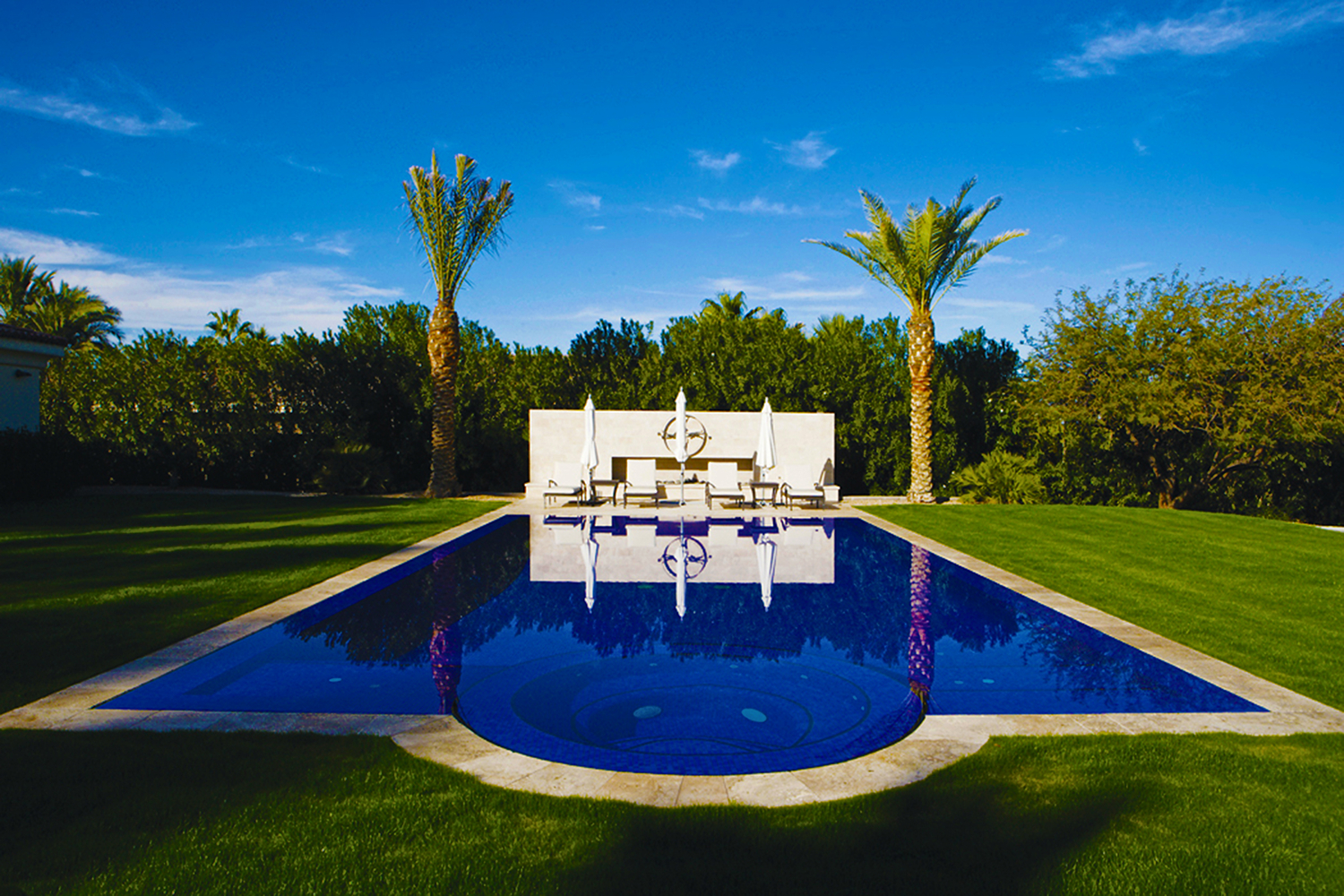
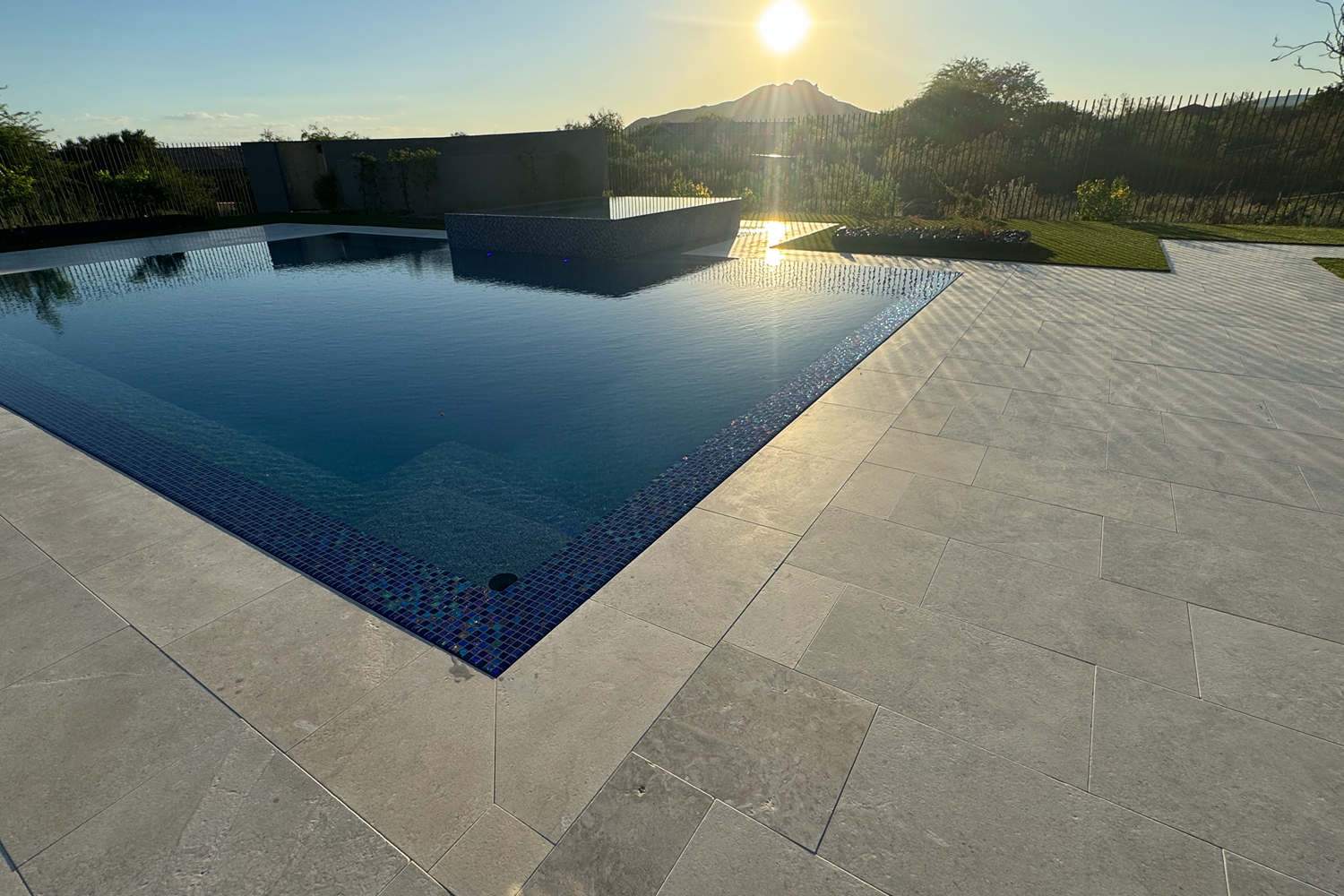
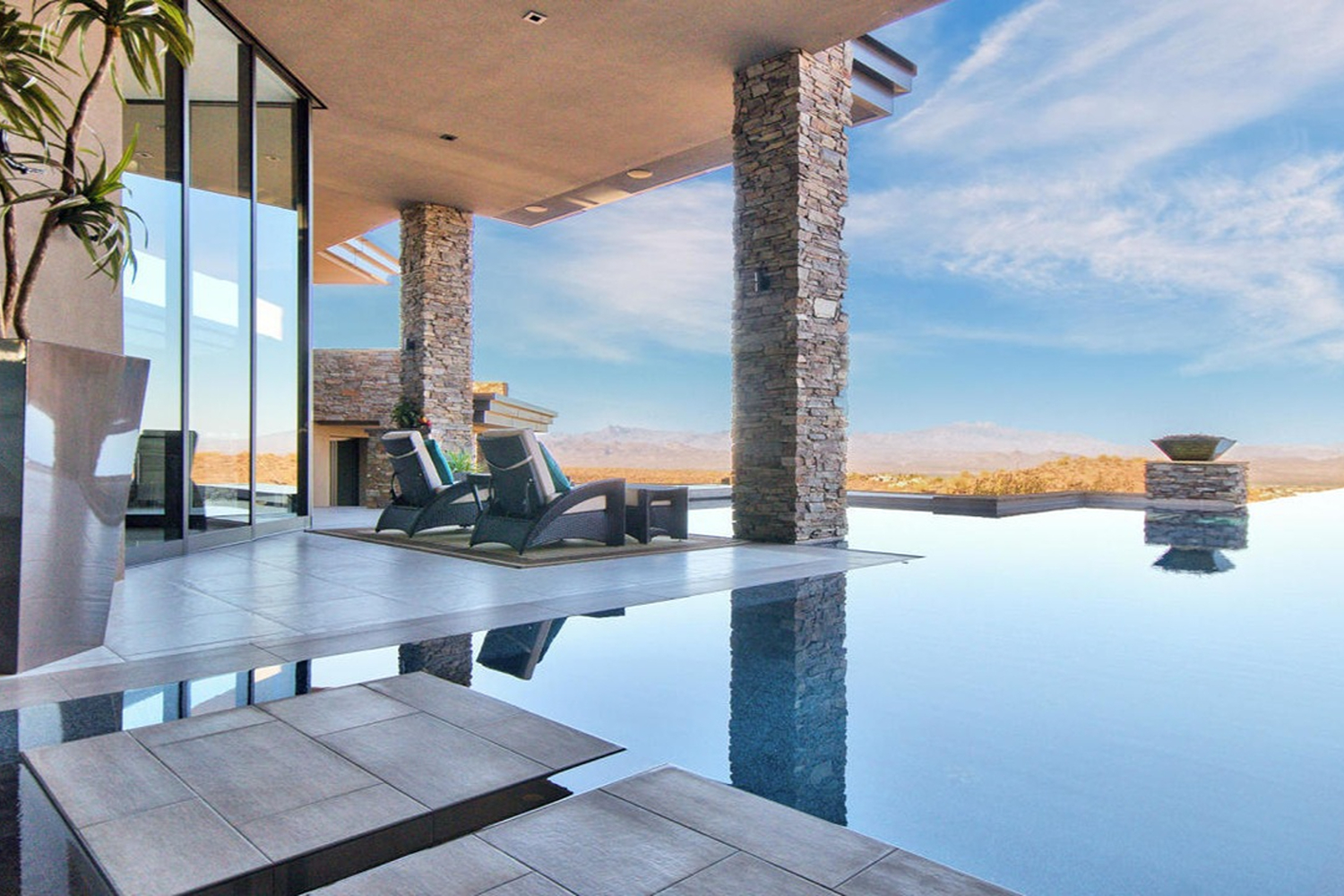
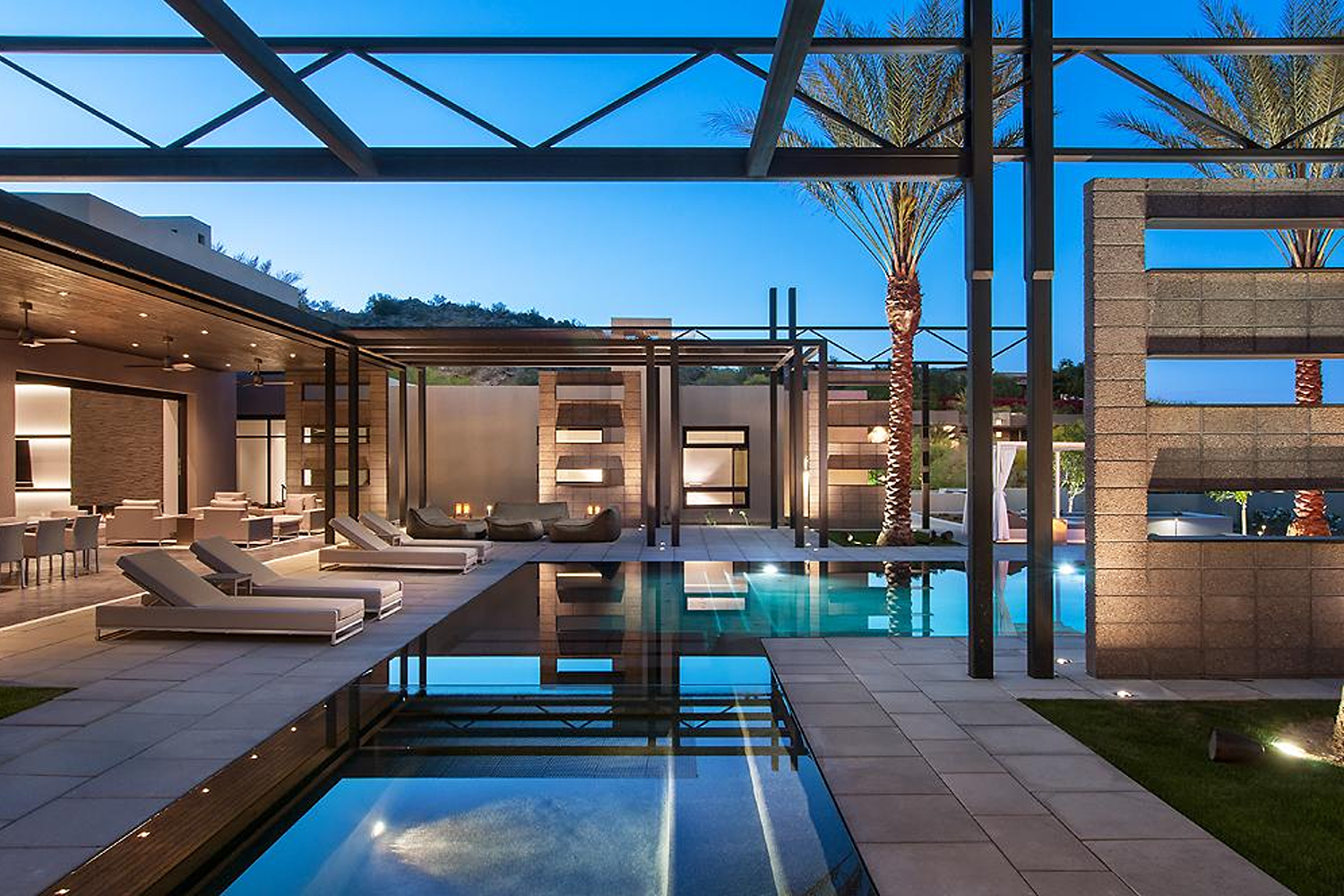
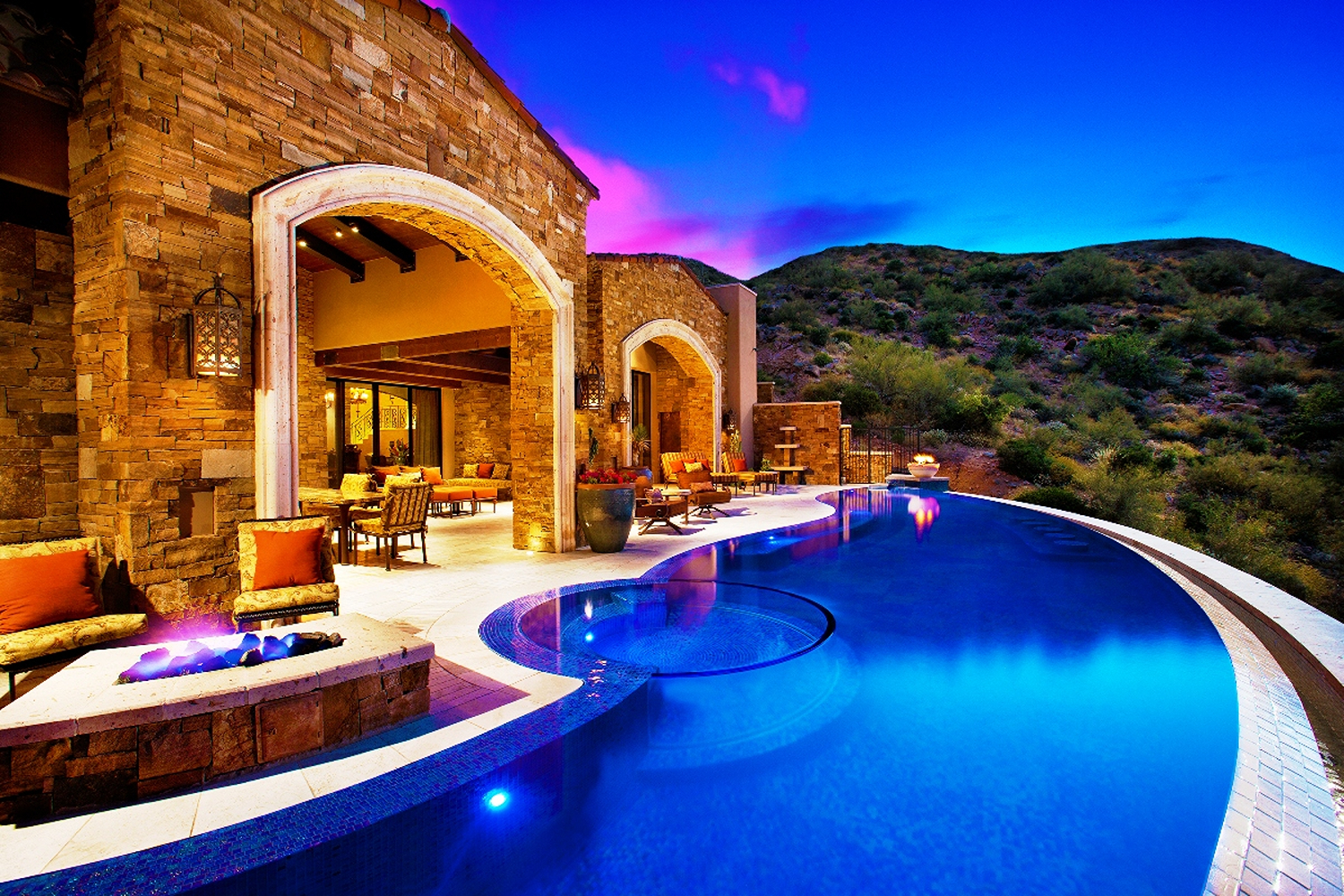
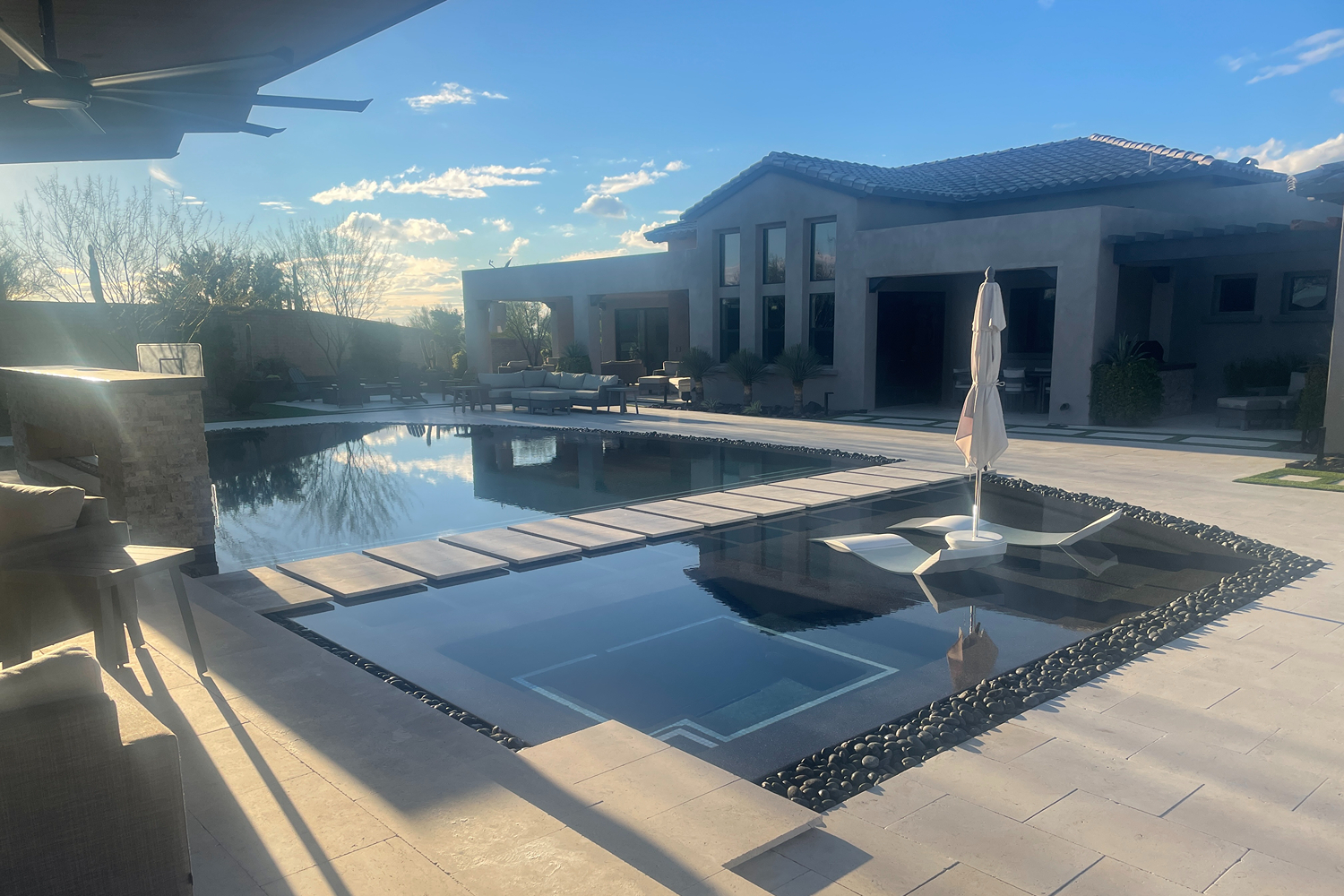
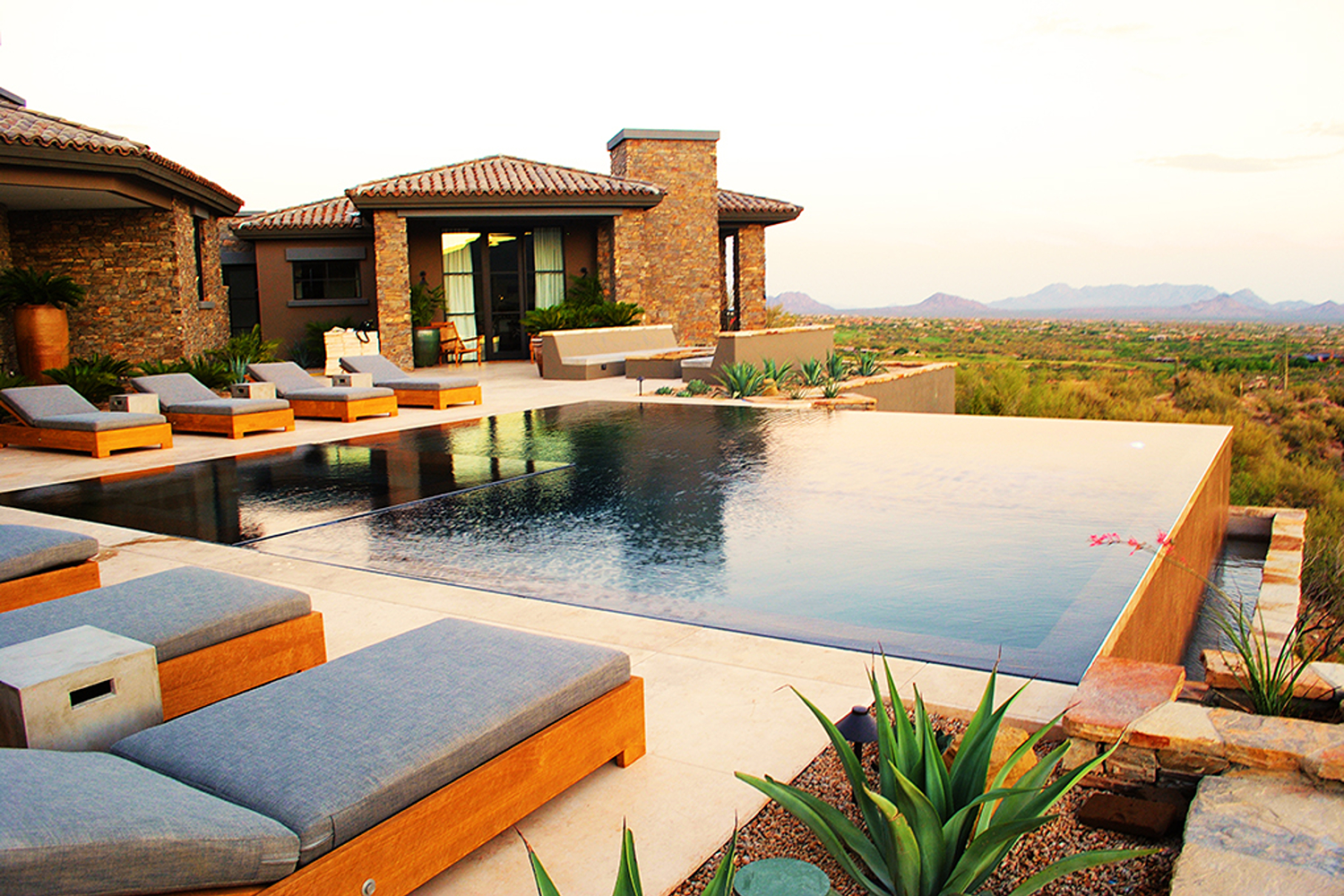
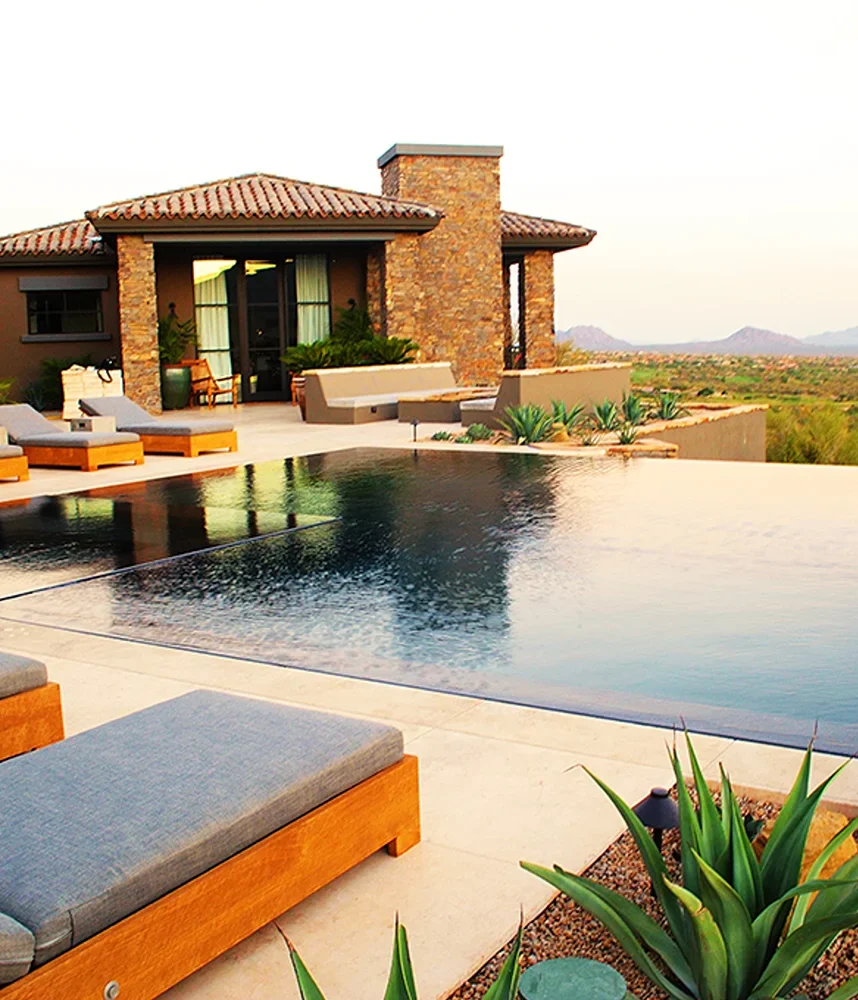
Imagine a pool where water cascades over all four edges continuously—a constant, mesmerizing movement of water that creates visual drama and luxurious ambiance. That’s a wet-edge perimeter overflow pool, also called a cascade pool or spillway pool.

Where infinity pools create the illusion of water disappearing, wet-edge pools create the reality of water flowing. It’s hypnotic. It’s luxurious. It’s technically sophisticated. And it’s rarer than infinity pools—which means builders who specialize in wet-edge design have genuine market advantage.

Mossman Brothers Pools has won multiple World’s Greatest Pools awards for wet-edge design. We’ve built more perimeter overflow pools than most regional builders. We understand the engineering, the aesthetics, and how to integrate wet-edge design with Arizona’s luxury landscape.

If you want a truly distinctive pool that no one else in your neighborhood has—a design that creates conversation and admiration—a wet-edge pool is worth serious consideration.
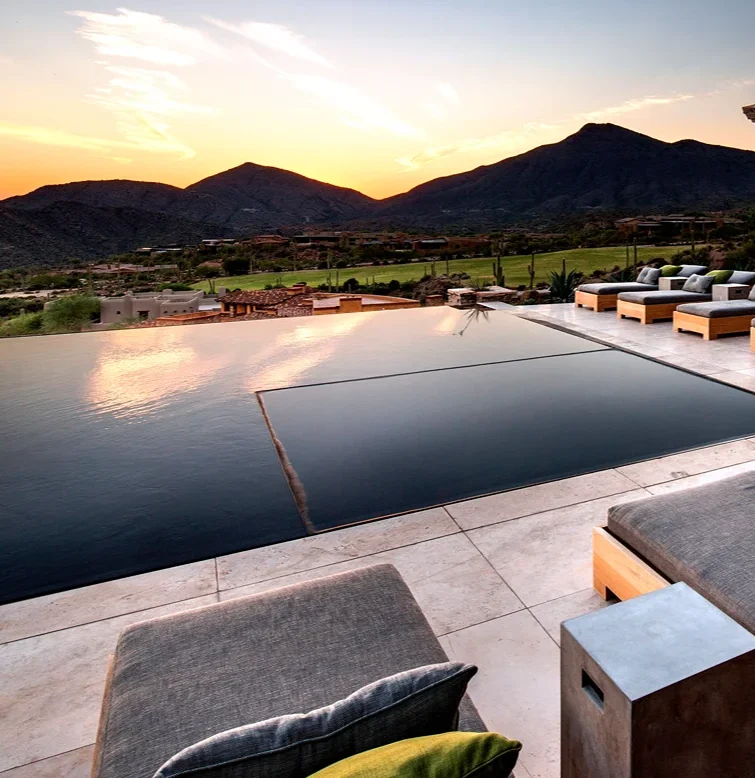
How Wet-Edge Perimeter Overflow Works

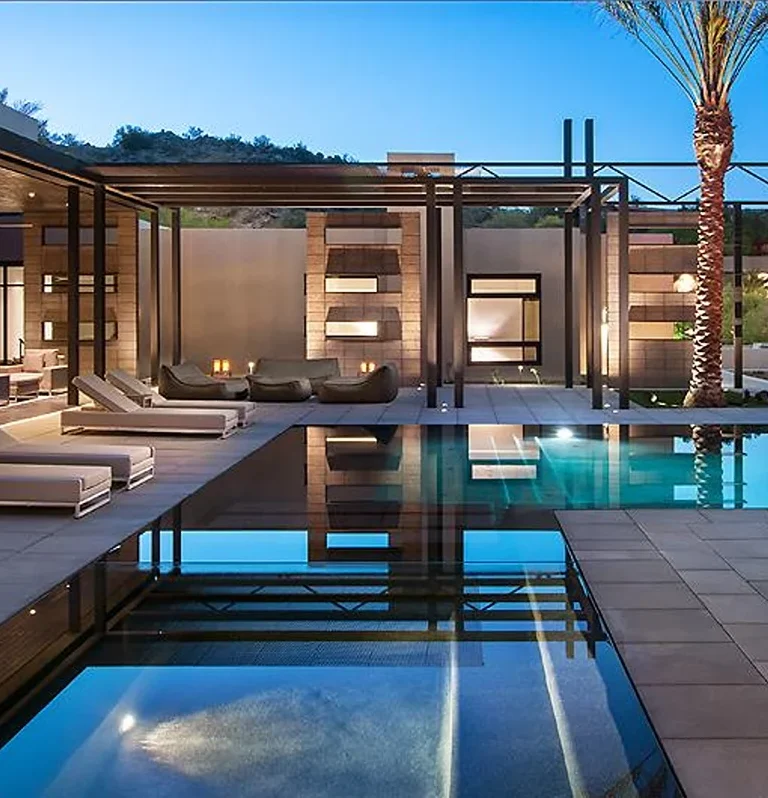
A perimeter overflow pool creates continuous water movement around the entire edge through sophisticated engineering:

The Collection Trough

Unlike infinity pools where the collection trough is hidden, wet-edge pools feature a visible trough that runs the entire perimeter of the pool. This trough is typically:

The Cascade

Water overflows the pool edge from interior to exterior continuously, creating a waterfall effect on all sides. The water height and cascade style can be designed:

The Recirculation

Water collected in the perimeter trough flows to the pump and filtration system, gets filtered, and returns to the pool. The circulation system must be sophisticated enough to:

Pump and Equipment

Wet-edge pools require larger capacity Pentair equipment:

Why Wet-Edge Pools Are Technically Demanding

Building a truly great wet-edge pool requires solving multiple engineering challenges:

💎 Edge Precision

The edge must be level (or precisely sloped, depending on design) across the entire perimeter. Unlike infinity pools where the edge is invisible, wet-edge edges are visible design elements, so precision is visible.

🔄 Cascade Flow Control

Water must cascade consistently across all four edges. If circulation isn’t perfectly balanced, some areas cascade well while others don’t—creating obvious visual defects. Balancing flow across all four edges requires careful plumbing design and equipment calibration.

🛠️ Trough Design

The perimeter trough must be sized precisely for the overflow volume. Too small, and water overflows unevenly. Too large, and the visible trough looks disproportionate. The trough depth, width, and spacing must be calculated exactly.

🌊 Water Loss Management

Wet-edge pools lose water through both evaporation and the continuous overflow. In Arizona’s heat, this can be significant. The automated fill system must account for both sources to maintain pool level. Your water bill will be higher than traditional pools.

🔧 Equipment Coordination

Multiple system components—pump, filter, heater, automation, fill system—must work in perfect coordination. If any element is out of spec, the cascade suffers.

✨ Finish Work

The edge and cascade areas need finish materials that handle continuous water contact gracefully. PebbleTec finishes work beautifully. Deck materials need to handle wet conditions without becoming slippery or staining easily.
This is why wet-edge pools cost more and require builders with genuine expertise.

Wet-Edge Design Variations

Jeff Mossman designs custom wet-edge pools with variations that affect visual impact:

Four-Sided Cascade

Water cascades over all four edges equally—the most dramatic and visually complete design. Creates complete water movement around the pool.

Three-Sided Cascade

Water cascades over three edges, with one side featuring a different treatment (beach entry, shallow lounge area, fire feature). Creates asymmetrical visual interest while maintaining cascade drama.

Two-Sided Opposing Cascade

Water cascades over two opposite edges, creating visual interest while simplifying engineering slightly. Might feature a spa or water feature on the other two sides.

Accent Cascade

Water cascades primarily over one or two sides with architectural emphasis, while remaining edges are more subtle. Creates focal-point drama while maintaining balance.

Spa Integration

The spa can be designed as a separate perimeter-overflow feature, or integrated with the pool as one continuous cascade system. An integrated cascade spa adds dramatic visual impact.

Feature Integration

Water features (fire, water walls, bubblers) can be integrated with cascade areas, creating multi-sensory experiences combining water and fire.

Aesthetic Impact of Wet-Edge Pools

What makes wet-edge pools special isn’t just the engineering—it’s the aesthetic impact:

Visual Drama

Continuous water cascade creates constant visual interest. The movement, light reflection on cascading water, and sound create a dynamic focal point for your outdoor space.

Luxurious Ambiance

There’s something inherently luxurious about continuous water movement. It evokes resort experiences and high-end spa environments. It signals that this is a premium outdoor space.

Day and Night Beauty

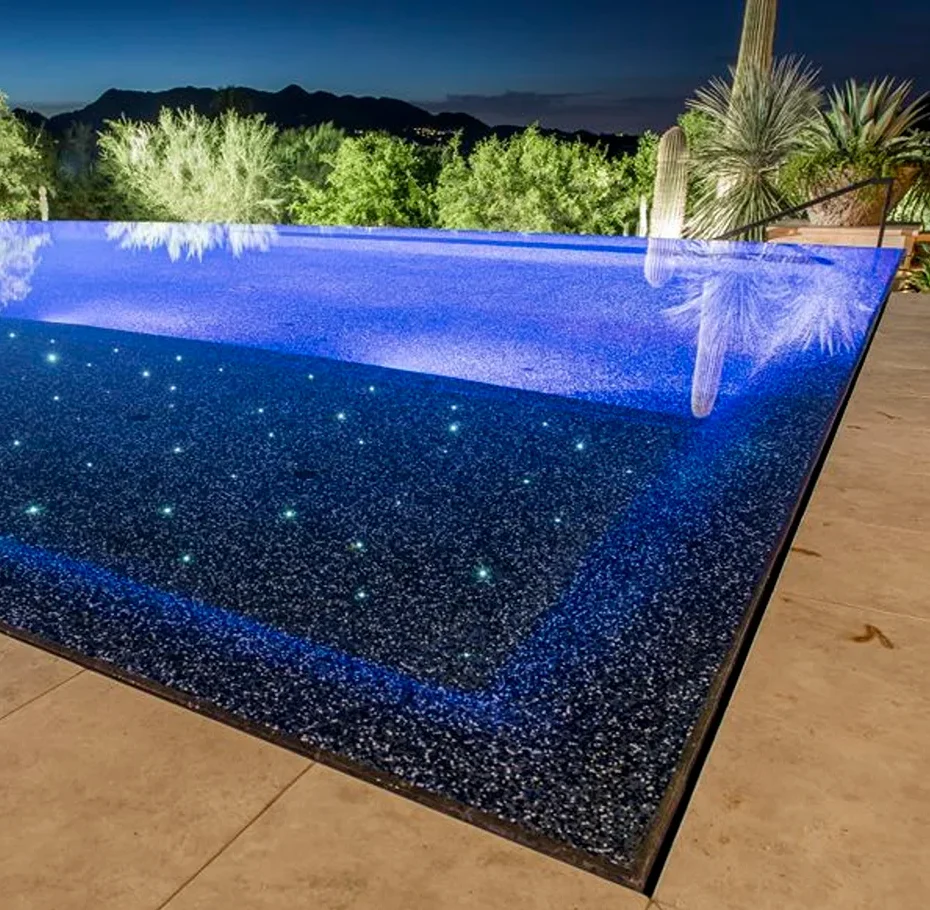
During day, the cascading water is beautiful and dynamic. At night, with underwater and accent lighting, the illuminated cascade becomes a stunning nighttime feature.

Water and Fire Integration

Wet-edge pools integrate beautifully with fire features. Fire on one side, cascade on another creates stunning visual and sensory contrasts.

Sound Design

The sound of cascading water creates ambiance and masks neighborhood noise. It’s meditative and luxurious.

Wet-Edge Pool Costs

Wet-edge perimeter overflow pools in Scottsdale are premium designs with corresponding pricing:
Typical Range: $120,000-$400,000+ depending on :

Size

Larger pools cost more (longer perimeter edge, more circulation volume)

Cascade style

Simple sheet cascade costs less; complex architectural cascades with multiple heights cost more

Feature integration

Adding fire, water features, or complex hardscape increases cost

Spa integration

An attached wet-edge spa adds $25,000-$60,000

Materials

Specialty deck materials, stone work, and architectural detailing add cost

A mid-range wet-edge pool (3,000-4,000 sq ft, four-sided cascade, basic features) typically costs $150,000-$250,000. Premium wet-edge designs with extensive stone work, spa integration, and feature integration can exceed $400,000.

Water usage is notably higher than traditional pools due to continuous overflow, which affects operational costs (water bill) beyond initial construction cost.
Wet-Edge Pool Maintenance

Wet-edge pools require attention to cascade-specific maintenance:

Flow Monitoring

Check cascade quality regularly to ensure water is flowing evenly across all edges. If flow becomes uneven, circulation may need adjustment.

Trough Cleaning

The perimeter trough must stay clean for proper water flow. Regular skimming prevents debris from clogging the system.

Equipment Care

Because equipment is operating at higher capacity (managing overflow volume), monitoring is more critical. Listen for unusual pump sounds, check for leaks, and ensure filters are clean.

Water Chemistry

Chemical balance is critical because water is continuously circulating through the system. Arizona’s hard water requires careful management.

Seasonal Adjustments

In winter, you may want to reduce cascade intensity to lower water usage. Automation systems allow seasonal adjustments.
Professional maintenance is particularly valuable for wet-edge pools because of equipment complexity. Monthly or bi-weekly professional monitoring helps ensure systems stay optimized and cascade quality is maintained.

Wet-Edge Pool Water Usage

It’s important to understand that wet-edge pools use more water than traditional pools:

Evaporation Loss

Like all pools, water evaporates in Arizona heat (1-2% pool volume per week in summer)

Overflow Loss

Continuous cascade adds additional water loss. In summer heat, overflow loss can equal or exceed evaporation loss.

Total Loss

A wet-edge pool might lose 5-10% of pool volume weekly, compared to 1-2% for traditional pools. This means significantly higher water bills.

A typical wet-edge pool might add $150-$300+ monthly to water bills in summer months. Winter usage is lower but still noticeable.

This is a real operational cost to consider when deciding on a wet-edge design. For homeowners who view the cost as investment in luxury ambiance, it’s justified. For those sensitive to water costs, it’s worth discussing alternatives.

Is a Wet-Edge Pool Right for Your Property?

Wet-edge pools are ideal when:
If those factors align, a wet-edge pool creates an unmatched luxury outdoor experience.

The Rarity Factor

Many luxury developments have infinity pools (they’re increasingly common). Fewer have truly excellent geometric pools. Very few have genuine wet-edge perimeter overflow pools designed and built to premium standards.

This rarity is valuable. Your pool will be unique in your neighborhood. It will create conversation. It will set your property apart at the premium end of the market.

Rarity combined with genuine technical excellence (like Mossman Brothers brings) creates lasting differentiation.

Frequently Asked Questions

Significantly more than traditional pools. In summer, water loss from overflow can equal or exceed evaporation loss, adding $150-$300+ monthly to water bills. Winter usage is lower.
Automation systems allow reducing cascade intensity seasonally or as desired. However, the cascade is the design’s primary feature, so reducing it diminishes its impact.
Arizona heat increases both evaporation and cascade overflow loss. This is factored into equipment sizing, but it does mean higher water bills compared to cooler climates. The automated fill system maintains level despite the loss.
Typical range is $120,000-$400,000+ depending on size, cascade complexity, and features. Mid-range wet-edge pools typically cost $150,000-$250,000. More expensive than traditional pools due to engineering complexity.
They require monitoring cascade flow to ensure even distribution, trough cleaning, and equipment care at higher operational levels. Professional maintenance every 2-4 weeks is recommended.
Yes. A spa can be an integrated wet-edge feature (spa with its own cascade) or paired with the pool as one continuous system.
They work best on properties with adequate space (minimum 2,500-3,000 sq ft). Properties with less space can still accommodate wet-edge, but the impact is diminished.
Infinity pools create the illusion of water disappearing (edge is invisible). Wet-edge pools create the reality of water cascading (edge is visible and features water movement). They’re fundamentally different design philosophies.